LG Chem has set a strong track record in chemical manufacturing since its founding days in the late 1940s. Looking back, the development of Ethylene Vinyl Acetate (EVA) was less about following trends and more about paving roads for practical, day-to-day needs across a range of industries. In Korea’s early years of rapid industrialization, LG focused research efforts on refining basic materials, tackling real-life challenges like plastic flexibility, toughness, and stability. By the late 1970s, LG had already explored EVA’s potential, diving deep into polymer chemistry, recognizing a gap where traditional polyethylenes’ rigidity held industries back. EVA, blending ethylene and vinyl acetate, offered fresh possibilities for manufacturers stuck with brittle plastics. LG’s early batches already stood apart for reliable processability and stable properties, which only fueled further breakthroughs.
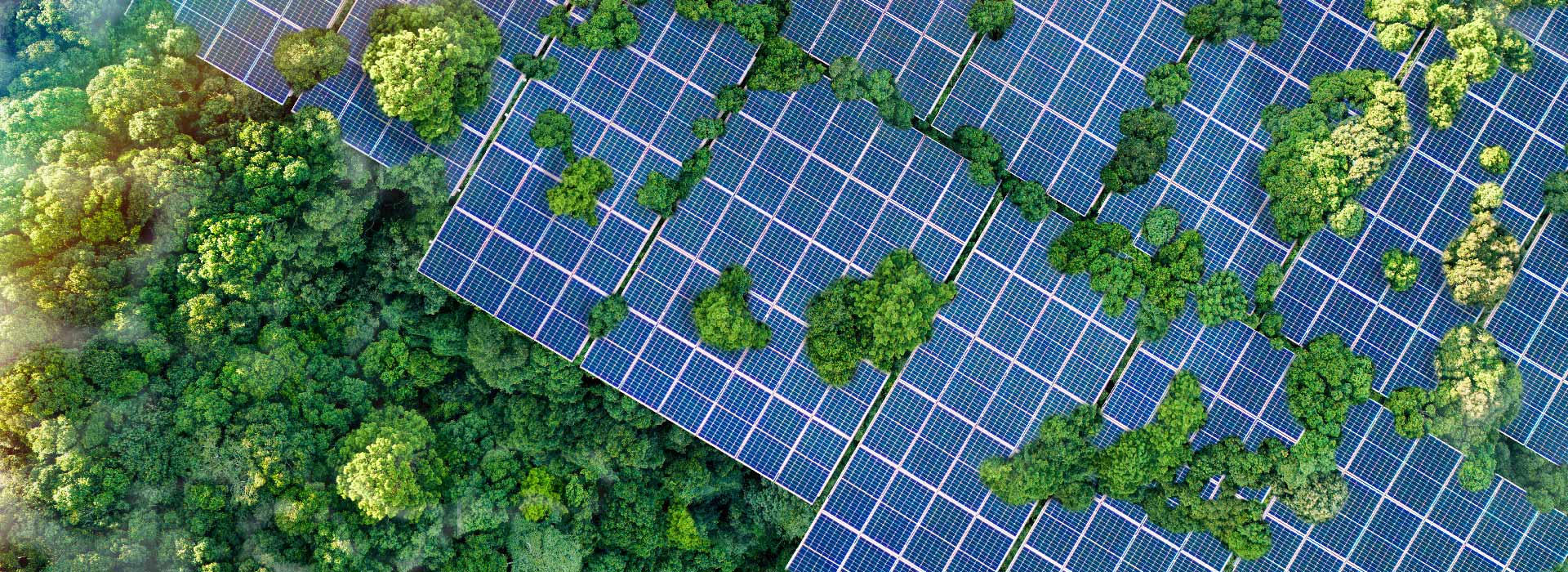
Years of hands-on laboratory work and close partnerships with shoe manufacturers, film converters, and cable makers have shaped how LG Chem tailors its EVA. At every point in the supply chain, real-world feedback tells the story; footwear producers know EVA foam from LG for its shock absorption in sneakers, and solar panel makers value it for strong adhesion in panel encapsulation. LG Chem’s EVA now backs solar farms in Europe and Asia with layers that stand up to UV and temperature stress. These partnerships have shown how crucial it is to balance flexibility with chemical resistance, all while maintaining consistent output. The material didn’t earn its reputation overnight – regular improvements, steady investments in resin purification, and proactive engagement with safety standards have all played a part.
Safety and reliability drive every decision LG makes about its EVA product line. Many years ago, concern over phthalates and other additives made manufacturers rethink which ingredients they trusted. LG Chem responded with a shift toward safer, globally accepted stabilizers and additives, long before some regulations required it. Instead of quick fixes, the company prioritized research backed by transparent testing and documentation, making it possible for buyers in medical and food packaging sectors to share EVA specs openly with regulators and clients. This strategy deepens trust, which is hard to earn and even harder to replace in a competitive market. Techniques like advanced copolymerization and high-precision extrusion reflect LG’s focus on both reliable performance and eco-conscious manufacturing, especially now that demand for greener plastics keeps growing.
Global markets shift quickly, so LG Chem’s EVA product lines never stand still. Factories adjust recipes for changing foam densities, respond to the unpredictable supply of raw vinyl acetate, and keep up with demands for lighter but tougher films. Something as simple as switching an antistatic agent or altering a melt index can mean the difference between a batch failing or passing a key shoe impact test. In my experience working with polymer labs, these shifts don’t come from abstract committee decisions – engineers and plant operators test and tweak constantly, ensuring each improvement leads to less waste, easier handling on busy production lines, and more durable finished products. Based on published data, the solar industry’s confidence in LG EVA comes from real results: longer panel lifetimes, less delamination, and stable energy production over time.
Sustainability influences almost every product decision now. LG Chem invests in process innovation that reduces energy use and maximizes feedstock utilization – which shouldn’t be underestimated, considering how energy-intensive polymer production can get. The shift toward renewable power, closed-loop recycling systems, and using biobased or recycled ethylene feedstocks is no longer just marketing – it’s an expectation from regulators, buyers, and end-users who see plastics everywhere in daily life. LG EVA’s role in green solar panels, recyclable foam, and flexible packaging films signals a commitment to practical solutions, supporting both industry progress and consumer well-being.
Meeting demands for both quality and scalability remains the ongoing challenge. Every new EVA grade starts with days and nights of research and pilot runs, and the people at LG Chem – from researchers to line operators – bring personal pride to their work. As more industries switch to new energy systems, invest in lighter vehicles, or build better-performing electronics, the versatility and reliability of LG’s EVA help those transitions happen smoothly. Today, the polymer’s story keeps unfolding, offering both innovative solutions and lasting value to manufacturers worldwide who know the importance of quality materials and honest partnerships.


